 Pin it
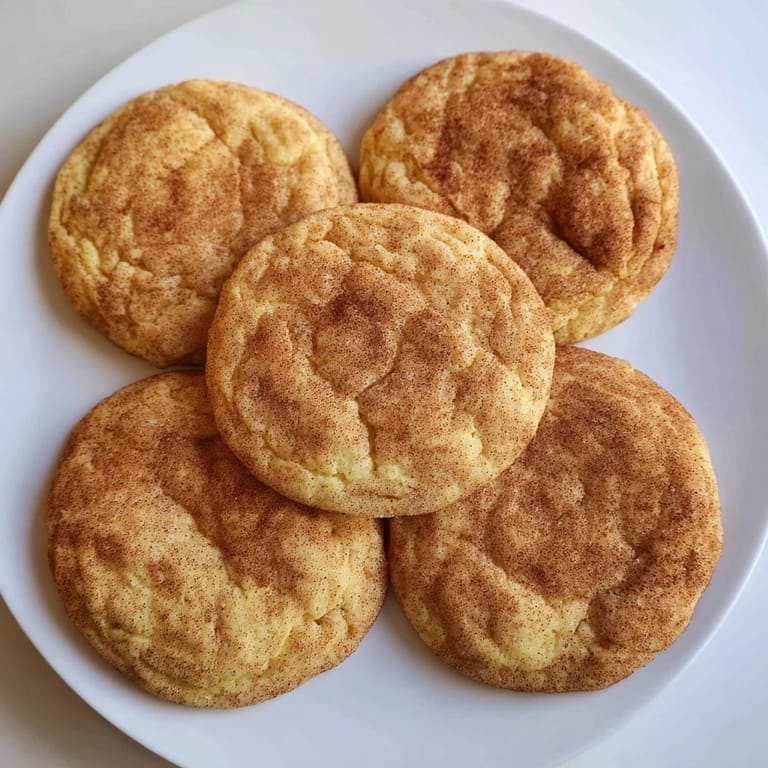
 The kitchen smelled like warm cinnamon before I even realized the timer was going off. That first batch of snickerdoodles came out of the oven looking exactly like the ones my grandmother used to keep in her red ceramic jar. I stood there eating one while it was still too hot, burning my tongue just a little, and somehow that made them taste even better.
My neighbor came over with a broken garage door opener and left with a plate of these warm cookies. She texted me two hours later asking for the recipe because her husband had already finished half the batch. Now whenever I need to thank someone or just make a Tuesday feel special, this is what I bake.
Ingredients
- All purpose flour: This forms the structure of the cookie so measure carefully for the right texture
- Cream of tartar: The secret ingredient that gives snickerdoodles their signature tang and helps them rise
- Baking soda: Works with the cream of tartar to create those beautiful cracks on top
- Salt: Just a pinch balances all the sweetness and enhances the vanilla flavor
- Unsalted butter: Softened to room temperature so it creams properly with the sugar
- Granulated sugar: Sweetens the dough and creates that crisp edge we love
- Eggs: Room temperature eggs incorporate better and help bind everything together
- Pure vanilla extract: Do not skip this because it adds that comforting background flavor
- Extra sugar: Mixed with cinnamon for that iconic coating that makes snickerdoodles special
- Ground cinnamon: Use fresh cinnamon for the best aroma and flavor in the coating
Tired of Takeout? 🥡
Get 10 meals you can make faster than delivery arrives. Seriously.
One email. No spam. Unsubscribe anytime.
Instructions
- Get your oven ready:
- Preheat to 375°F and line two baking sheets with parchment paper so nothing sticks and cleanup is easy
- Mix the dry ingredients:
- Whisk the flour cream of tartar baking soda and salt in a medium bowl until well combined
- Cream the butter and sugar:
- Beat the softened butter and sugar together for about 2 to 3 minutes until the mixture looks light and fluffy
- Add the eggs and vanilla:
- Beat in the eggs one at a time then mix in the vanilla until everything is incorporated
- Combine everything:
- Gradually add the dry ingredients to the wet mixture mixing only until just combined to avoid tough cookies
- Make the coating:
- Stir together the extra sugar and cinnamon in a small bowl until evenly mixed
- Form the cookies:
- Scoop tablespoon sized portions of dough roll into balls and coat each one in the cinnamon sugar mixture
- Bake to perfection:
- Place dough balls 2 inches apart on baking sheets and bake for 9 to 11 minutes until edges are set but centers still look soft
- Cool completely:
- Let them rest on the baking sheet for 5 minutes then transfer to a wire rack to finish cooling
 Pin it
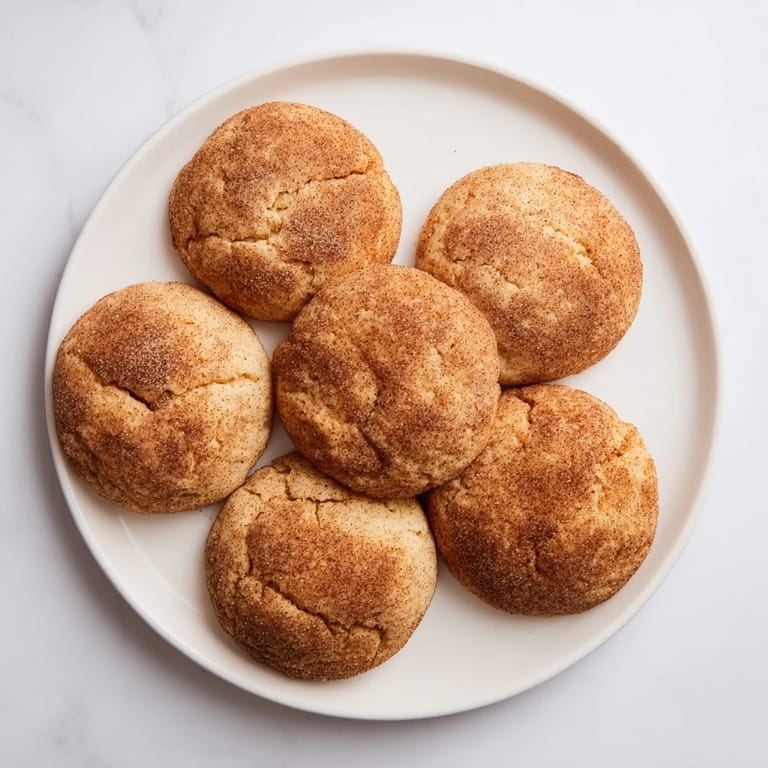
 My daughter requested these for her school bake sale three years running and now her classmates specifically ask for Mom's snickerdoodles. There is something about that cinnamon sugar coating that makes people feel instantly at home like they are walking into a kitchen where someone has been baking all afternoon just for them.
Getting That Perfect Texture
I spent years trying to figure out why some batches turned out flat and others were beautifully puffy. The secret turned out to be creaming the butter and sugar long enough. Those extra minutes of beating air into the mixture make all the difference between a good cookie and an amazing one.
Making Them Ahead
Scoop the dough balls and freeze them on a baking sheet then transfer to a bag. When you want fresh cookies just roll them in cinnamon sugar and add an extra minute to the baking time. This is how I always have homemade cookies ready for unexpected guests or late night cravings.
Serving Ideas
These are perfect alongside a cup of coffee in the morning or crumbled over vanilla ice cream for an easy dessert. The cinnamon flavor pairs beautifully with autumn flavors but honestly I eat them year round because they make any day feel a little more special.
- Serve warm with a glass of cold milk for the classic combination
- Pack them in lunchboxes for a treat that holds up well
- Store between layers of wax paper to keep them soft
 Pin it
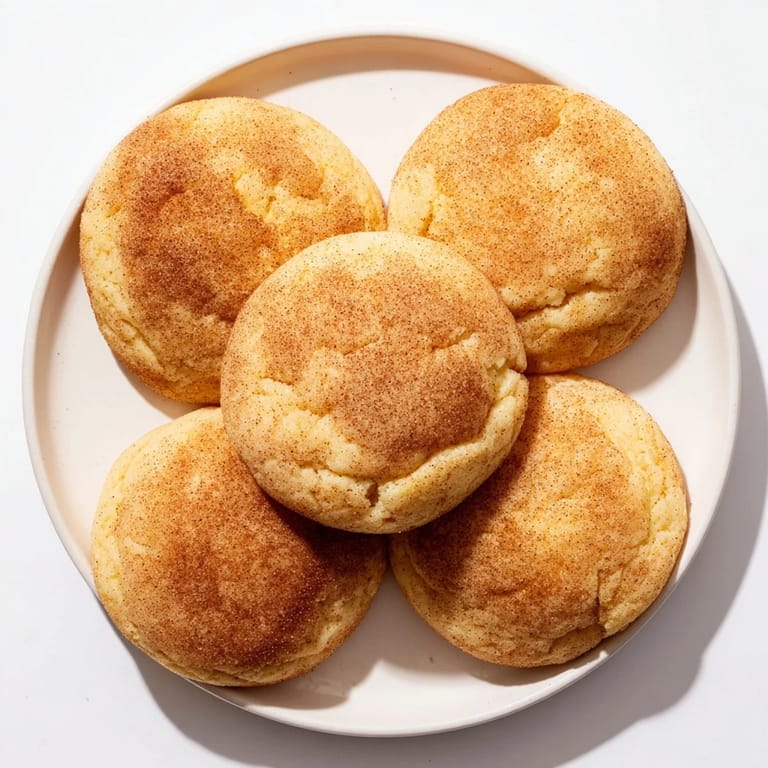
 There is always a batch of these in my freezer now because life is better with fresh snickerdoodles in it. Hope they become your go to comfort cookie too.
Recipe FAQs
- → What makes snickerdoodles different from regular sugar cookies?
Snickerdoodles contain cream of tartar, which provides a distinctive tangy flavor and creates a softer, more tender texture. The cinnamon sugar coating also sets them apart from plain sugar cookies.
- → Why do my snickerdoodles get hard?
Overbaking is the most common culprit. Remove cookies from the oven when edges are set but centers still appear slightly soft—they'll firm up during cooling. Proper storage in an airtight container also maintains softness.
- → Can I make the dough ahead of time?
Absolutely. Refrigerate the dough for up to 3 days before baking, or freeze for up to 3 months. Let chilled dough sit at room temperature for 15-20 minutes before rolling into balls for easier handling.
- → What's the purpose of cream of tartar in this dough?
Cream of tartar acts as a leavening agent when combined with baking soda, creating the characteristic soft texture. It also provides the signature tangy flavor that distinguishes these from other sugar cookie varieties.
- → How do I get the perfect cinnamon sugar coating?
Roll generous tablespoon-sized dough balls thoroughly in the cinnamon sugar mixture, pressing gently to ensure adhesion. Use a ratio of 2 teaspoons cinnamon to 1/4 cup sugar for balanced flavor without overpowering sweetness.
- → Can I substitute shortening for butter?
Yes, replacing half the butter with shortening creates a puffier, softer texture that holds its shape better during baking. This technique produces cookies with slightly less spread and a more cake-like interior.