 Pin it
 The smell of molasses baking always takes me back to my grandmother's kitchen in December, where the entire house would smell like warm spices and comfort for days. She had this ancient cookie jar shaped like a bear that she'd keep filled with these chewy gems, and my cousins and I would strategically position ourselves nearby until she finally gave in and let us have one.
Last winter I made a double batch during a snowstorm and ended up sharing plates with neighbors who were stuck at home. One family left a thank-you note on my doorstep that said their kids had declared them the best cookies ever, which is basically the highest compliment you can receive from an eight year old.
Ingredients
- 2 1/4 cups all-purpose flour: The foundation that gives these cookies their structure while still allowing that wonderful chewiness
- 2 teaspoons ground ginger: The star spice that brings that characteristic warmth and slight bite
- 1 teaspoon ground cinnamon: Adds a familiar cozy flavor that pairs beautifully with molasses
- 1/2 teaspoon ground cloves: A little goes a long way in creating depth and that classic gingerbread profile
- 1/4 teaspoon ground nutmeg: Rounds out the spice blend with its subtle sweetness
- 2 teaspoons baking soda: Helps create those gorgeous cracks on top while keeping the texture tender
- 1/2 teaspoon salt: Balances all that sweetness and makes the spices pop
- 3/4 cup unsalted butter, softened: Room temperature butter is crucial here for proper creaming and texture
- 1 cup packed dark brown sugar: The molasses content in brown sugar adds extra moisture and deep flavor
- 1/4 cup molasses: The soul of these cookies, providing that unmistakable dark color and rich taste
- 1 large egg: Binds everything together while contributing to the chewy texture
- 1 teaspoon pure vanilla extract: Enhances all the other flavors and adds a sweet finish
- 1/4 cup granulated sugar: For rolling, creates that delightful crackly exterior and adds a sparkle
Tired of Takeout? 🥡
Get 10 meals you can make faster than delivery arrives. Seriously.
One email. No spam. Unsubscribe anytime.
Instructions
- Get your oven ready:
- Preheat to 350°F (175°C) and line two baking sheets with parchment paper so nothing sticks and cleanup is a breeze.
- Whisk your dry ingredients:
- In a medium bowl, combine the flour, ginger, cinnamon, cloves, nutmeg, baking soda, and salt until everything is evenly distributed.
- Cream the butter and sugar:
- Beat the softened butter and brown sugar together for 2-3 minutes until the mixture looks pale and fluffy, which creates those beautiful cracks later.
- Add the wet ingredients:
- Mix in the molasses, egg, and vanilla until fully incorporated, taking time to scrape down the sides of the bowl.
- Combine it all:
- Gradually add the dry ingredients to the wet mixture, mixing just until you no longer see streaks of flour.
- Shape and sugar:
- Scoop tablespoon-sized portions of dough, roll them into balls, and coat each one generously in the granulated sugar.
- Space them out:
- Place the sugar-coated balls 2 inches apart on your prepared baking sheets so they have room to spread.
- Bake to perfection:
- Bake for 9-11 minutes until the edges look set but the centers still seem slightly soft.
- The waiting game:
- Let the cookies cool on the baking sheet for 5 minutes before moving them to a wire rack to finish cooling.
 Pin it
 These became my go-to holiday gift after my first attempt at baking them for a cookie exchange. Everyone asked for the recipe, and now I include a handwritten card with each plate I give away.
Making Them Ahead
You can refrigerate the dough balls for up to three days before baking, which actually develops the flavors even more. Just let them sit at room temperature for about ten minutes before rolling in sugar and popping them in the oven.
Getting The Texture Right
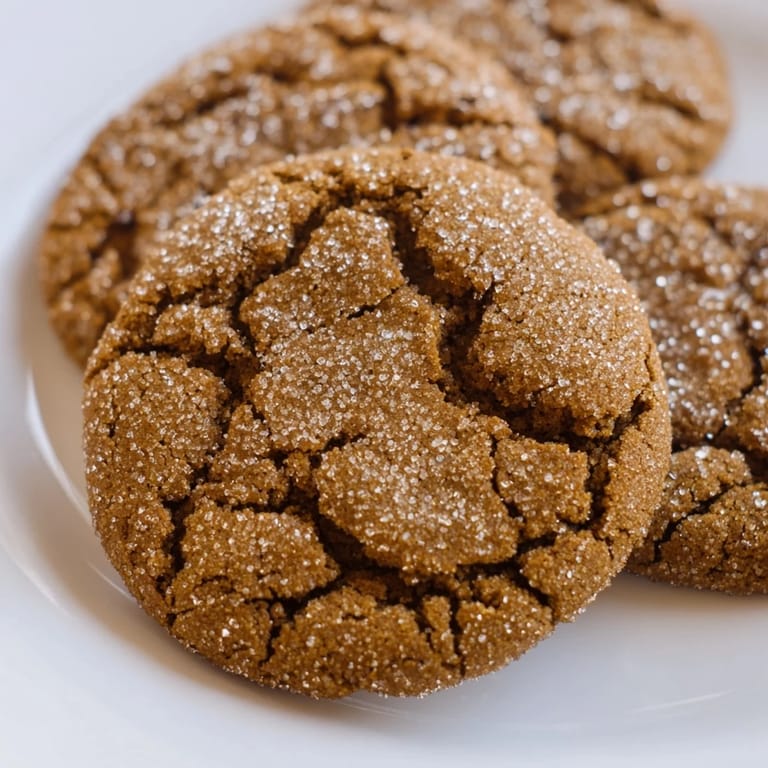
The key is pulling them out when the centers still look slightly underdone. They continue cooking on the hot baking sheet, and this residual heat is what creates that perfect balance between crisp edges and soft, chewy middles.
Serving Suggestions
These are absolutely perfect with a steaming mug of spiced chai or alongside a bowl of vanilla ice cream for an unexpected dessert combination.
- Try sandwiching two cookies with cream cheese frosting for an extra special treat
- Add a pinch of black pepper to the dough for a subtle spicy twist
- Dip half of each cooled cookie in melted white chocolate for gifting
 Pin it
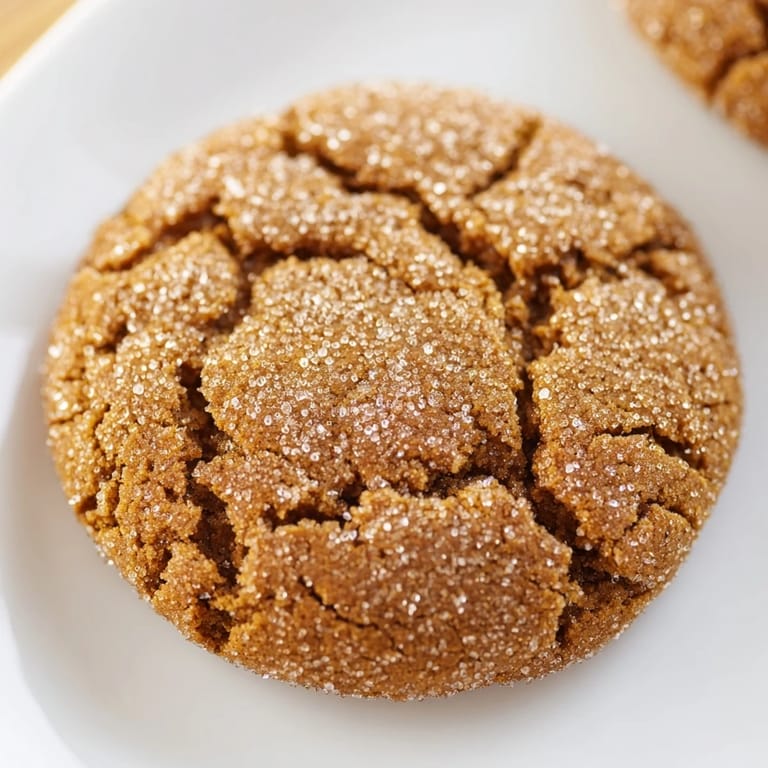
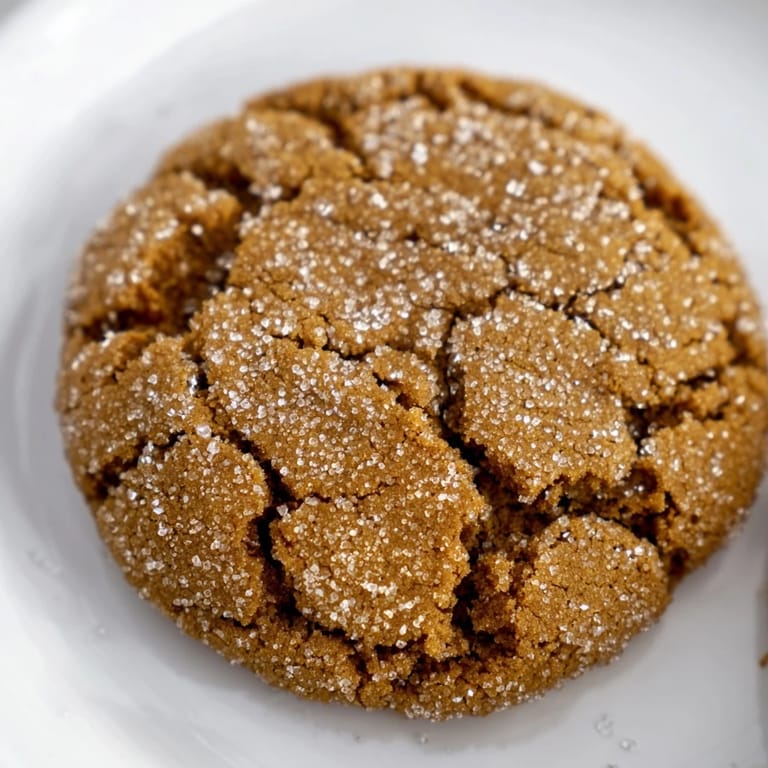
 There's something deeply satisfying about pulling a tray of these crackled beauties from the oven, knowing you're about to bite into pure comfort in cookie form.
Recipe FAQs
- → Why do my molasses cookies turn out hard instead of chewy?
Overbaking is the most common culprit. Remove cookies when edges are set but centers still look soft—they continue cooking on the hot baking sheet. Using proper measuring techniques and not overmixing the dough also helps maintain tenderness.
- → Can I use regular molasses instead of dark molasses?
Yes, though dark molasses provides deeper, more robust flavor. Light or mild molasses will work but may result in a milder taste. Blackstrap molasses is too bitter and not recommended for these cookies.
- → How should I store these cookies to keep them soft?
Store in an airtight container at room temperature with a piece of bread or a terracotta disc to maintain moisture. They stay fresh for up to a week and actually become chewier after a day or two.
- → Can I freeze the dough or baked cookies?
Both freeze beautifully. Scoop dough balls, freeze on a tray, then transfer to a freezer bag for up to 3 months. Bake from frozen, adding 1-2 minutes. Baked cookies freeze well for up to 3 months—thaw at room temperature.
- → What's the purpose of rolling the dough in sugar before baking?
The sugar coating creates a slightly crisp exterior and promotes those signature crackly tops. It also adds a pleasant sweetness that balances the robust molasses flavor. You can use coarse sugar for extra sparkle.
- → Can I make these gluten-free?
Substitute an all-purpose gluten-free flour blend that contains xanthan gum. Texture may vary slightly but the flavor remains delicious. Ensure all other ingredients, especially baking soda and spices, are certified gluten-free.